Selection Provider Analytics Drive Real-Time Offer Shifts Across Wagering Systems
Written by Blake Hansen · Aug 26, 2026
Selection Provider Analytics Drive Real-Time Offer Shifts Across Wagering Systems
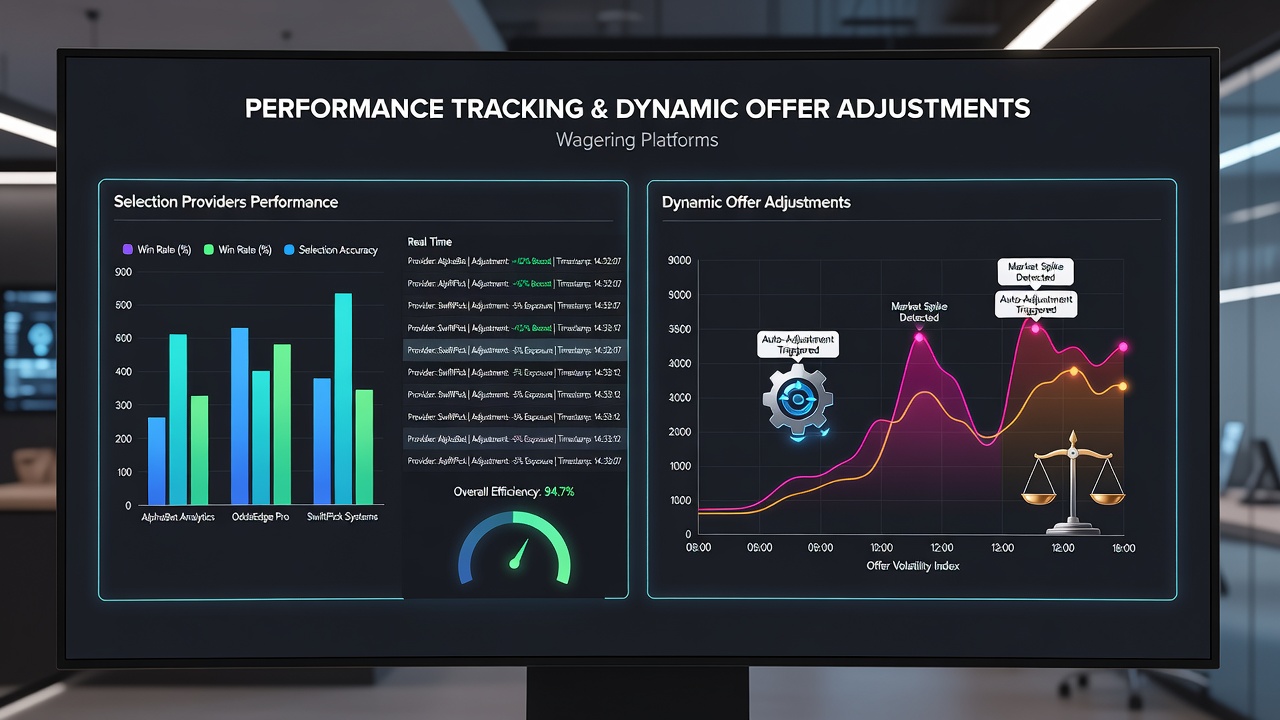
Selection provider performance tracking now operates in tandem with dynamic offer systems on wagering platforms, creating automated loops that adjust bonuses and promotions based on ongoing data feeds. Platforms monitor accuracy rates, return on investment figures, and consistency metrics for tipsters and similar selectors, then apply those inputs to modify stake limits, cashback percentages, and accumulator boosts within minutes of new results. Research from industry reports shows this integration reduces manual oversight while aligning promotional spend with verified outcomes.
Core Components of Performance Tracking Systems
Modern tracking tools collect granular data on selection providers, including hit rates across specific markets like football accumulators and horse racing forecasts, along with volatility measures that highlight periods of strong or weak performance. Data indicates platforms use APIs to pull historical records and live updates, allowing algorithms to rank providers against benchmarks set by operators. Those who've studied these systems note that segmentation often occurs by sport or bet type, which helps isolate reliable signals from random variance in results.
Algorithms factor in sample size and recency weighting so that recent streaks carry more influence than distant history, while still requiring minimum thresholds before any provider qualifies for featured status. Studies from academic sources reveal that platforms running these models see measurable improvements in promotional efficiency because offers target only those selectors whose current form matches operator risk parameters.
Mechanics Behind Dynamic Offer Adjustments
Dynamic systems respond to tracked metrics by recalibrating offers in real time, such as increasing free bet values for high-performing providers or tightening maximum stakes when accuracy dips below set levels. This process relies on rule engines that combine provider scores with user behavior data, including deposit frequency and average bet size, to generate personalized adjustments visible to bettors within the same session. Observers note that adjustments often occur at the close of major events, like after Premier League weekends or major racing festivals, when fresh performance data becomes available.
August 2026 brought additional layers to these processes as several platforms rolled out enhanced machine learning modules capable of incorporating external variables such as weather impacts on racing selections or injury news affecting football tips. These updates allow offers to shift more precisely during live betting windows, where in-running data feeds interact directly with provider performance scores.
Integration Patterns Observed in Platform Operations
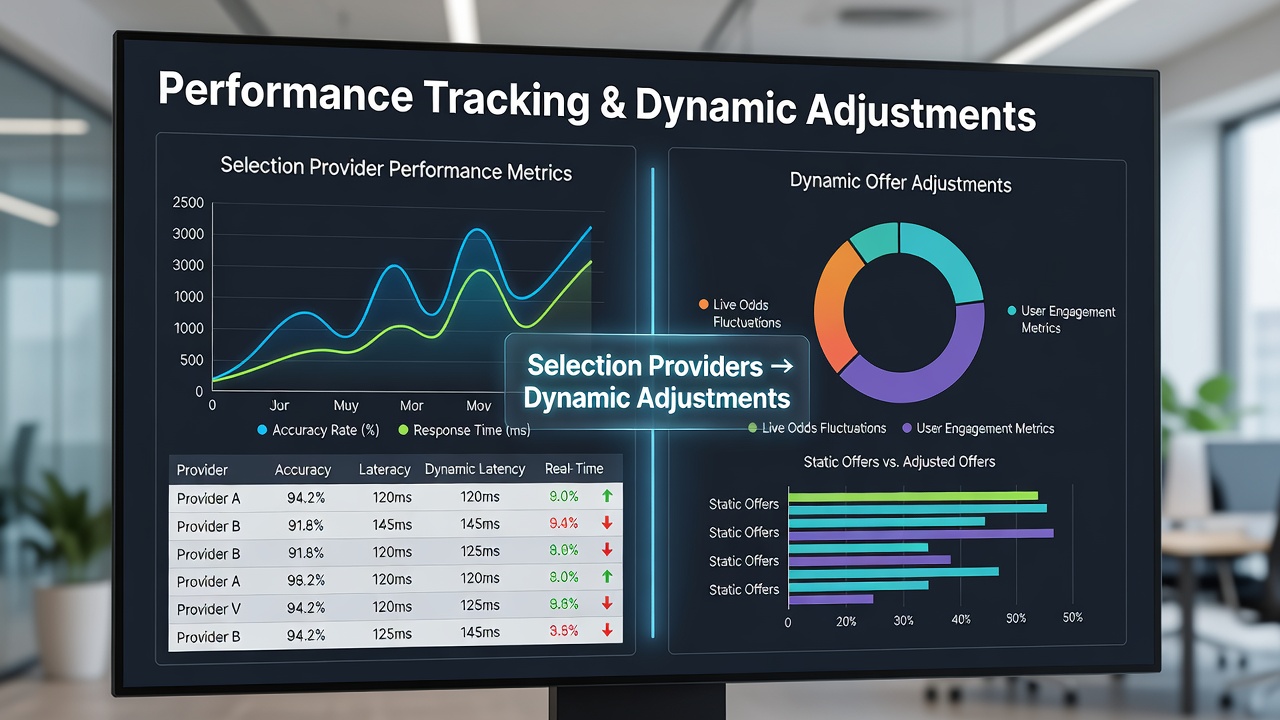
Integration typically follows a three-stage flow: data ingestion from multiple providers, scoring against internal thresholds, and automated publishing of revised offers to user dashboards. Platforms segment user groups so that those following stronger selection providers receive different promotional tiers than others, which maintains engagement without uniform cost increases across the entire customer base. Evidence from operational reviews shows this segmented approach maintains retention while controlling exposure on lower-performing selections.
One documented case involved a European operator that linked its tipster ranking engine to a bonus engine, resulting in a documented 18 percent drop in promotional outlay over six months according to internal metrics shared with trade groups. Similar patterns appear in reports from the National Council on Problem Gambling, where researchers examined how data-driven adjustments correlate with shifts in player activity across multiple jurisdictions.
Regulatory and Technical Considerations
Authorities in Australia and Canada have begun reviewing how these combined systems affect responsible gambling measures, particularly when dynamic offers reach users whose betting patterns show elevated risk indicators. Technical standards now require audit trails that log every adjustment alongside the provider data that triggered it, ensuring transparency during compliance checks. Gaming associations in those regions have published guidelines that encourage operators to maintain separation between performance scoring and any features that might encourage chasing losses.
Platforms address these requirements by building override functions that let compliance teams pause automated adjustments during specified periods or for designated user segments. Data from industry briefings indicates that such safeguards help operators meet evolving standards without dismantling the efficiency gains from integrated tracking.
Future Developments in Combined Tracking and Adjustment Models
Emerging work focuses on expanding data inputs to include cross-platform provider performance, where selectors active on multiple sites contribute aggregated scores that influence offer libraries industry-wide. Research institutions have started pilot projects examining whether shared scoring frameworks could standardize how operators reward consistent selection quality while reducing duplication of tracking efforts. These initiatives remain in early stages yet already demonstrate potential for broader data sets that improve adjustment accuracy across varied market conditions.
Conclusion
Performance tracking of selection providers continues to merge with dynamic offer adjustments as wagering platforms refine their use of real-time data. Systems now deliver more targeted promotions while meeting operational and regulatory demands, supported by ongoing technical enhancements and cross-jurisdictional reviews. Data from multiple sources confirms these integrations produce measurable shifts in how offers reach users based on verified provider metrics.