Tennis Accumulator Optimization Integrates Tipster Layers with Sequential Bonus Chains Across Global Markets
Written by Petra Sullivan · Aug 21, 2026
Tennis Accumulator Optimization Integrates Tipster Layers with Sequential Bonus Chains Across Global Markets
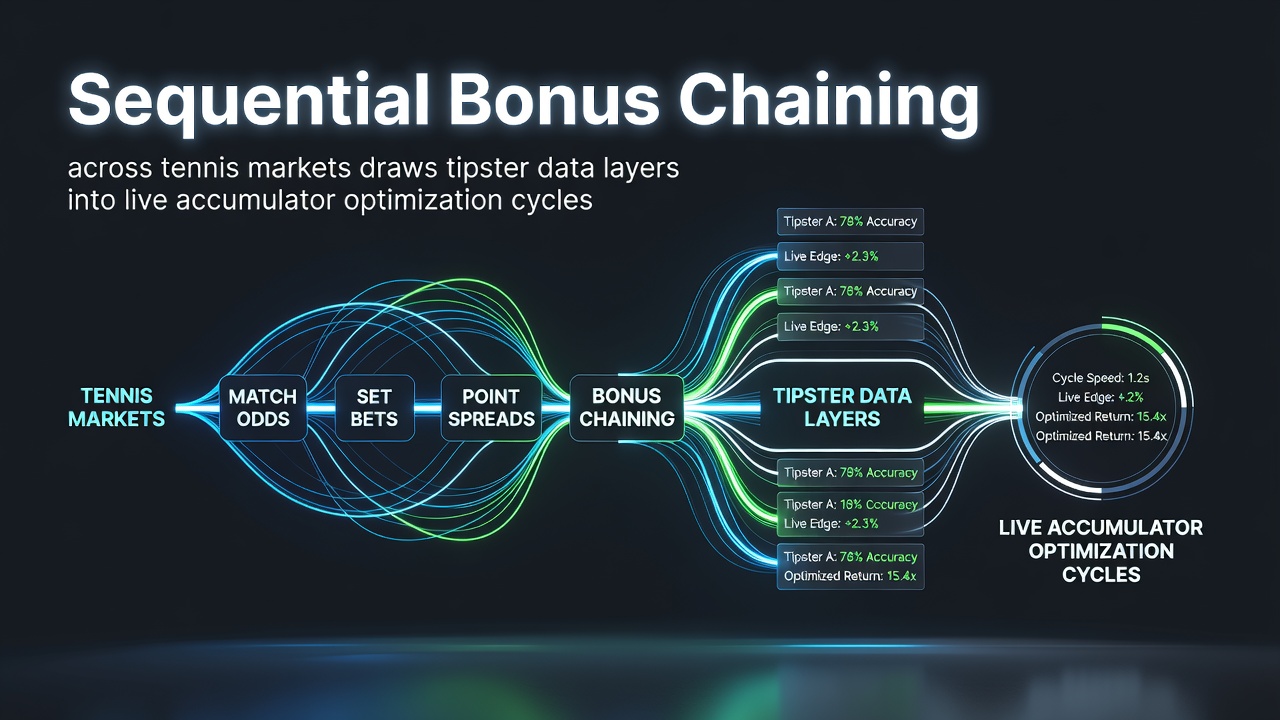
Sequential bonus chaining across tennis markets pulls tipster data layers into live accumulator optimization cycles where bettors combine multiple promotions on sets, games, and player performances. Observers note that these cycles activate when tipster insights flag undervalued odds in live markets, allowing sequential application of free bet tokens, boosted stakes, and cashback offers without resetting the accumulator structure. Data from industry reports shows tennis accounts for a growing share of in-play betting volume because matches feature frequent score updates that create fresh layers for optimization.
Tipster platforms supply layered data on serve percentages, break-point conversion rates, and surface-specific trends that feed directly into accumulator builders. Those who study these layers often discover patterns where one set result triggers bonus eligibility in the next market segment. August 2026 schedules include major tournaments where courtside conditions shift rapidly, giving optimization cycles multiple entry points as tipster feeds update in real time.
Mechanics of Sequential Bonus Application in Tennis
Sequential chaining works by applying one bonus to an initial leg, then rolling any returns into a second leg that unlocks a separate promotion. Researchers at academic institutions have documented how this process relies on bookmaker rules that permit partial stake releases across live tennis lines. For example, a tipster alert on an underdog's first-serve win rate can prompt an opening stake that qualifies for a deposit match, after which the resulting balance moves into a game-total market carrying an independent cashback trigger.
Live optimization cycles shorten the interval between legs because tennis scoring updates every few minutes. This pace lets bettors monitor accumulator progress while watching for the next bonus layer to become available. Figures from European betting associations indicate that tennis markets support higher chaining frequency than slower sports because point-by-point data streams align with real-time promotion windows.
Tipster Data Layers and Accumulator Construction
Tipster services compile multi-source datasets that include historical head-to-head records, current form metrics, and environmental variables such as humidity effects on ball speed. These layers slot into accumulator builders where each selection carries an assigned probability weight. When weights align with available bonus thresholds, the cycle activates and sequential claims begin.
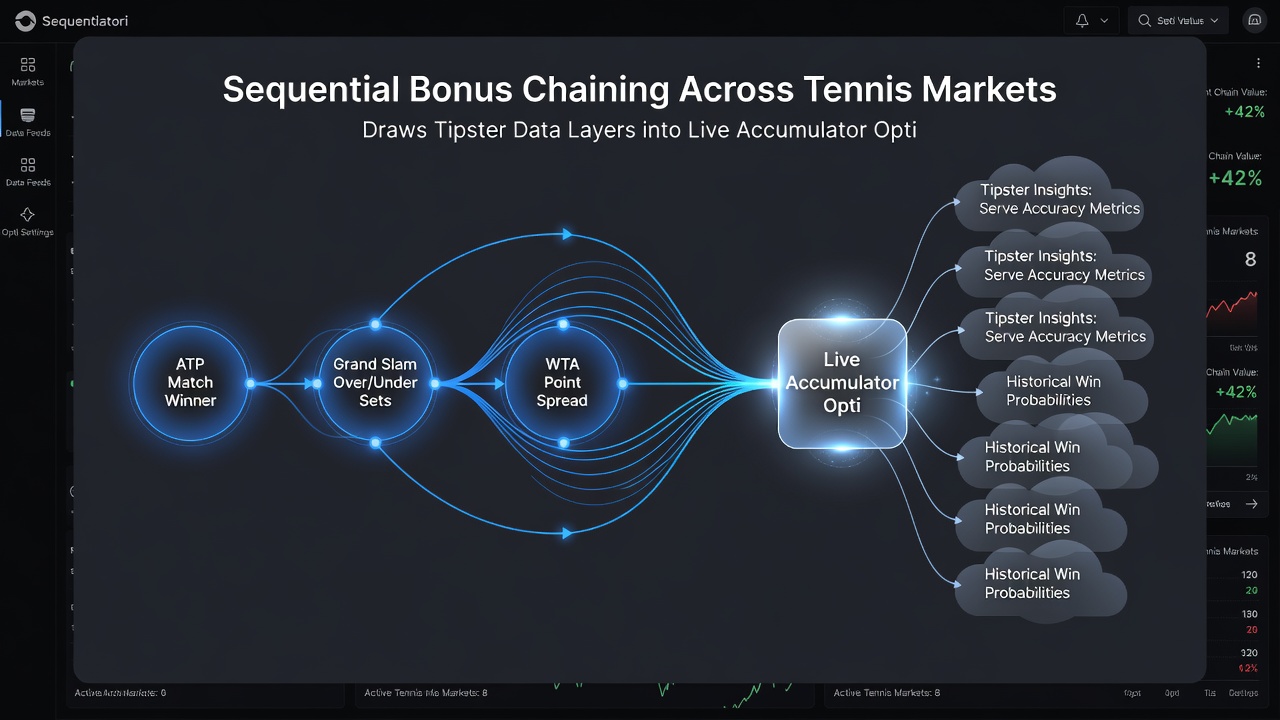
One documented approach involves selecting three tennis legs that individually meet bonus criteria while collectively forming a single accumulator ticket. The first leg draws a sign-up free bet, teh second qualifies for an odds boost, and the third triggers a loyalty cashback once the ticket settles. Data shows these layered selections increase when tipster updates incorporate live court statistics during August tournaments.
Live Cycle Adjustments and Market Responses
Live accumulator optimization requires constant recalculation as match scores evolve. Bettors adjust remaining legs by substituting new selections that still satisfy bonus conditions, a process supported by tipster platforms that push revised probability layers. Industry organizations report that platforms offering API feeds for tennis statistics enable faster cycle recalibrations than manual methods.
Market responses include bookmaker adjustments to bonus caps on high-volume tennis events, yet sequential chaining persists because rules often allow multiple accounts or linked promotions. Observers note that regulatory bodies in Australia and Canada have examined these practices through broader responsible gambling frameworks without targeting specific sports.
Geographic Variations in Tennis Bonus Cycles
European markets tend to feature cashback sequences tied to set betting, whereas North American operators emphasize boosted odds on game totals. Australian platforms frequently combine both within single accumulator tickets, drawing on tipster data that accounts for time-zone differences during overnight matches. These regional differences create opportunities for cross-border tipster subscribers who track multiple bonus structures simultaneously.
August 2026 fixtures, including hard-court swing events, have already shown increased live market activity as tipster services expand coverage to include fatigue indicators from prior rounds. Such expansions feed additional data layers into optimization cycles that run across several hours of continuous play.
Conclusion
Sequential bonus chaining across tennis markets continues to draw tipster data layers into live accumulator optimization cycles as operators expand promotion options and data providers refine real-time feeds. The process connects individual match statistics with layered bonus eligibility rules, allowing cycles to progress through multiple legs while scores update. Regulatory attention in various regions focuses on transparency around these mechanisms rather than prohibition, leaving room for continued development in accumulator construction techniques.