Tennis Tipster Networks Integrate Streaming Data for Multi-Platform Free Bet Optimization
Written by Petra Sullivan · Oct 15, 2026
Tennis Tipster Networks Integrate Streaming Data for Multi-Platform Free Bet Optimization
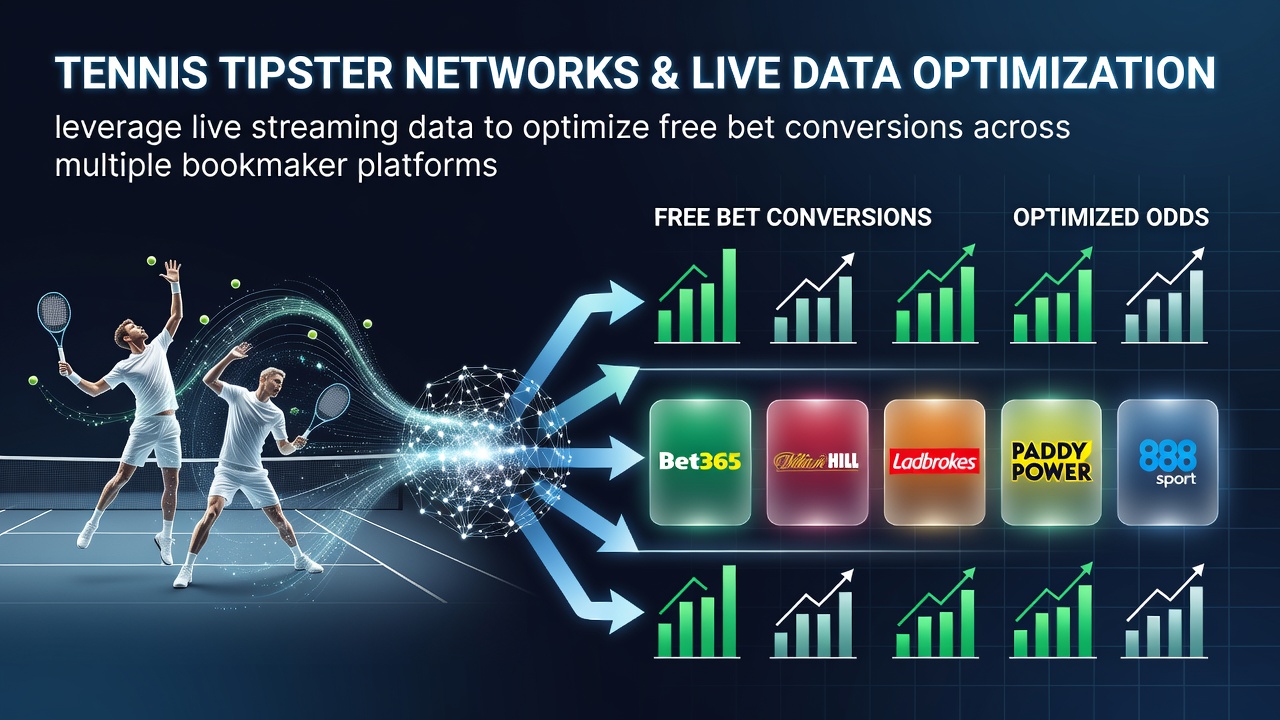
Tennis tipster networks have adopted live streaming feeds as core inputs for timing free bet placements across bookmaker sites, and this approach relies on real-time score updates plus player movement metrics that streams provide at high resolution. Networks process these feeds through custom dashboards that flag momentum shifts during matches, allowing coordinated account activity to convert promotional credits before odds adjust.
Core Mechanisms Behind Data Integration
Operators pull video streams from official tournament broadcasters and overlay proprietary algorithms that track serve speeds, rally lengths, and unforced error rates, while these metrics feed directly into models that predict short-term point probabilities. The resulting signals guide when to trigger free bet stakes on specific outcomes, and networks distribute instructions to members who hold accounts at different operators so that conversion windows align across platforms.
Live data also reveals court surface effects during extended rallies, since clay events produce longer exchanges than hard courts and this difference alters expected hold percentages. Tipster groups adjust stake sizing accordingly, and they route larger portions of free bets toward matches where streaming analytics show clear statistical edges.
Multi-Bookmaker Coordination Practices
Networks maintain synchronized spreadsheets that list current free bet balances at each operator together with expiry dates and minimum odds requirements. When a live stream indicates a favorable scoring run, members receive simultaneous alerts that specify which platform to use first, and this sequencing prevents any single bookmaker from flagging unusual activity patterns.

October 2026 schedules include several overlapping ATP and WTA events in Asia and Europe, and these overlaps create extended streaming coverage windows that networks exploit for chained conversions. One documented workflow involves starting a free bet on an early morning match in Singapore, then shifting remaining credit to an afternoon session in Vienna once the first stream confirms a player advantage.
Regulatory Context and Industry Data
According to reports from the European Gaming and Betting Association, digital sports betting volumes grew steadily through 2025 as operators expanded live market offerings. EGBA industry updates note that streaming partnerships now cover over 80 percent of major tennis tournaments, and this coverage supplies the raw data that tipster services consume.
Research published by the University of Sydney's gambling studies unit examined how real-time analytics influence bet timing decisions across multiple jurisdictions. The study found measurable increases in promotional conversion rates when users incorporated live match data compared with pre-match only strategies, and these gains appeared consistent across both regulated and offshore platforms.
Technical Infrastructure Requirements
Networks deploy low-latency video ingestion servers that capture streams from multiple sources simultaneously, and they apply computer vision tools to extract ball trajectory and player positioning data without relying solely on official statistics feeds. This independent verification reduces discrepancies that sometimes appear between bookmaker odds and actual match developments.
Bandwidth costs rise during peak tournament periods, yet the investment supports higher accuracy in free bet placement sequences. Groups that share infrastructure across regions report faster alert delivery times, which directly correlates with improved conversion percentages before markets close or odds shift.
Future Developments in Stream Analytics
Developers continue to refine models that incorporate crowd noise levels and player body language cues extracted from broadcast footage, and these additional variables further refine probability estimates during tiebreaks and deciding sets. Networks that integrate these layers have expanded their coverage to include lower-tier Challenger events where official data streams remain limited.
October 2026 calendars feature several indoor hard-court tournaments that generate consistent streaming availability, and tipster services have begun testing automated routing systems that allocate free bets based on real-time model outputs without manual intervention.
Conclusion
Tennis tipster networks continue to refine their use of live streaming inputs to coordinate free bet activity across bookmaker platforms, and the combination of video analytics with account management tools produces measurable efficiency gains. Industry reports and academic examinations confirm that access to high-quality match data supports more precise timing decisions, while regulatory updates from multiple regions track the ongoing expansion of these digital capabilities.