UK Betting Shops Continue Closures as Tax Changes Take Effect
Written by Blake Hansen · Aug 16, 2026

UK Betting Shops Continue Closures as Tax Changes Take Effect
Recent Shop and Job Losses Reported
The Betting and Gaming Council has documented more than 540 UK high-street betting shops closing along with around 4,500 jobs disappearing since last year’s Budget introduced higher taxes on the gambling sector, and these figures build on earlier reductions that already removed roughly 3,000 shops and over 15,000 positions since 2019. Observers note the pattern reflects ongoing pressures where operators adjust to new fiscal demands while maintaining physical locations across towns and cities.
Data from the council shows the most recent wave of closures occurring steadily rather than in sudden batches, with many sites in smaller communities affected first because footfall proved insufficient to cover the added costs. Experts tracking the sector point out that employment losses concentrate among part-time and entry-level roles that traditionally supported local economies in retail and hospitality-adjacent positions.
Industry Contributions Remain Significant
Despite the reductions, the broader gambling sector still supports 109,000 jobs nationwide while generating £6.8 billion in gross value added and delivering more than £4 billion in annual tax revenues to the Treasury. Those figures come from the same Betting and Gaming Council analysis that also tracks shop numbers, and they illustrate how the industry maintains scale even as certain high-street segments contract.
Revenue streams feeding these totals include both online platforms and remaining retail outlets, with the council emphasizing that tax payments from gambling activities continue to flow without interruption. Researchers following public finances observe that the £4 billion contribution forms part of wider fiscal planning, although allocation details sit outside this particular report.
Warnings Issued on Future Tax Adjustments
The Betting and Gaming Council warned that additional tax increases would likely produce further shop closures, additional job reductions, and lower levels of capital investment across the remaining network. Council representatives presented these projections alongside historical data, noting the cumulative effect since 2019 already demonstrates sensitivity to cost changes.
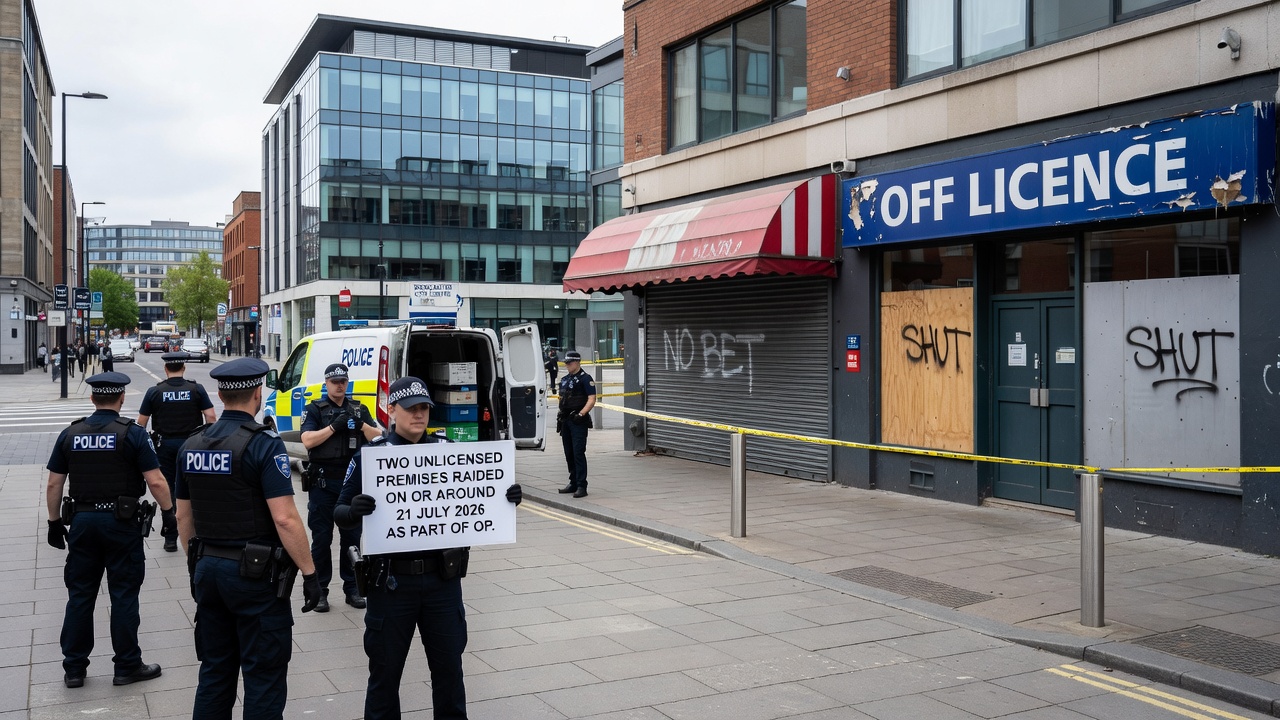
Operators responding to the council’s data have begun reviewing expansion plans for new technology or refurbishments, choosing instead to focus resources on core operations that remain viable under current rules. This shift appears most pronounced in regions where multiple closures have already taken place, leaving fewer locations to absorb any further pressure.
Context Around August 2026 Developments
By August 2026 the pattern of high-street contraction continues without signs of reversal, and the Betting and Gaming Council continues to publish updated counts that align with the earlier projections. Local authorities in affected areas report corresponding drops in business rates income from betting premises, although those secondary effects sit outside the council’s primary dataset.
Industry analysts compare the current situation to previous periods of regulatory or fiscal change, noting that online migration accelerated during the same timeframe yet failed to offset all retail losses. The council’s report links these trends directly to the Budget measures implemented the previous year, without attributing outcomes to other variables in this specific release.
Longer-Term Trends Since 2019
Since 2019 the total shop count has fallen by around 3,000 while employment has dropped by more than 15,000 positions, creating a cumulative decline that predates the most recent Budget changes. The Betting and Gaming Council presents these numbers as a continuous sequence rather than isolated events, allowing observers to track the rate of change across multiple years.
Remaining outlets have adapted by concentrating services in higher-traffic sites and reducing opening hours at marginal locations, measures that preserve some jobs while accepting overall contraction. Data indicates this rationalization process began well before the latest tax adjustment and simply continued afterward at a similar pace.
Conclusion
The Betting and Gaming Council’s figures establish a clear record of more than 540 shops and 4,500 jobs lost since the previous Budget, layered on top of earlier reductions totaling 3,000 shops and 15,000 positions since 2019. The same report highlights the sector’s ongoing delivery of 109,000 jobs, £6.8 billion in gross value added, and over £4 billion in annual tax revenues, while cautioning that further tax rises could accelerate the existing contraction. The full statement from the Betting and Gaming Council provides the complete dataset referenced throughout this account.